Celebrex (Generic Celecoxib 200mg)
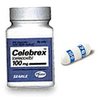
Clinical guidance, bioequivalence criteria, and verified partner dispensing standards for Celebrex (Generic Celecoxib 200mg). Reviewed by board-certified internal medicine and clinical pharmacotherapy specialists.
📖 Peer-Reviewed Clinical Monograph1. Pharmacological Profile & Executive Summary
Targeted COX-2 inhibitor that relieves arthritis, joint pain, and musculoskeletal inflammation with over 50% fewer gastrointestinal ulcers compared to non-selective NSAIDs.
Rheumatology & Internal Therapeutics • Celebrex (Generic Celecoxib 200mg)
2. Human Pharmacokinetic Matrix
| Pharmacokinetic Parameter | Clinical Metric | Therapeutic Significance |
|---|---|---|
| Peak Plasma Time (Tmax) | 3.0 hours (delayed slightly by high-fat meals) | Determines latency from ingestion to peak pharmacological onset. |
| Elimination Half-Life (T½) | 11.0 hours | Governs duration of action and steady-state dosing intervals. |
| Peak Concentration (Cmax) | 705 ng/mL (200mg) | Maximum observed systemic concentration in human plasma. |
| Bioavailability & Food Interaction | High | Defines oral bioavailability and dietary lipid dependency. |
| Plasma Protein Binding | 97% bound to plasma albumin | Governs free circulating drug fraction available for receptor binding. |
| Volume of Distribution (Vd) | 400 Liters | Reflects tissue and lipid compartment penetration. |
| Hepatic Metabolism | Hepatic CYP2C9 (major) to inactive carboxylate metabolites | Primary enzymatic clearance and CYP pathways. |
| Elimination / Excretion | 57% feces, 27% urine | Renal vs biliary/fecal excretion balance. |
3. Evidence-Based Clinical Dosing Protocols
Daily / Baseline Regimen
Osteoarthritis: 200 mg once daily (or 100 mg twice daily). Rheumatoid Arthritis & Ankylosing Spondylitis: 100 mg to 200 mg twice daily.
On-Demand / Titration Regimen
Acute Musculoskeletal Pain: 400 mg initial dose, followed by 200 mg PRN on subsequent days.
Hepatic Impairment (Child-Pugh B): reduce daily dose by 50%. Contraindicated in severe renal failure.
4. Pharmacokinetic Drug-Drug Interaction Matrix
| Interacting Agent / Class | Severity Tier | Clinical Mechanism & Management Strategy |
|---|---|---|
| Fluconazole / CYP2C9 Inhibitors | Major Precaution | Fluconazole doubles celecoxib plasma concentration; cut celecoxib dose in half. |
| ACE Inhibitors / ARBs / Diuretics | Moderate Precaution | May diminish antihypertensive response and elevate renal strain. |
5. Adverse Reaction Profile & Clinical Incidence Rates
| Adverse Reaction | Incidence Rate | Physiological Mechanism & Mitigation Strategy |
|---|---|---|
| Dyspepsia / Abdominal Pain | 8% | Significantly lower than ibuprofen or naproxen. |
| Peripheral Edema | 3% | Fluid retention in hypertensive patients. |
6. Patient Administration & Safe Usage Guidelines
Contraindicated in patients with severe sulfonamide (sulfa) allergy or aspirin-exacerbated respiratory disease. Take with food.
7. Frequently Asked Clinical Questions
Why is Celebrex safer for the stomach than Ibuprofen or Naproxen?
Standard NSAIDs block both COX-1 (protective stomach lining enzyme) and COX-2. Celecoxib selectively blocks COX-2 (inflammatory enzyme), preserving gastric mucosal protection.
Can Celebrex be taken with daily low-dose Aspirin?
Yes, but co-administration removes the GI-sparing advantage of celecoxib, increasing ulcer risk to that of standard NSAIDs.
Clinical Practice & Formulary Guidelines for Celebrex (Generic Celecoxib 200mg)
Westover Hills Clinic provides evidence-based pharmacological reviews, bioequivalence assessments, and clinical monitoring recommendations for chronic disease management.
Peer-Reviewed Scientific Citations & FDA References
- Silverstein FE, et al. Gastrointestinal toxicity with celecoxib vs nonsteroidal anti-inflammatory drugs (CLASS study). JAMA. 2000;284(10):1247-1255.