Synthroid & Generic Levothyroxine (T4)
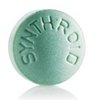
Clinical guidance, bioequivalence criteria, and verified partner dispensing standards for Synthroid & Generic Levothyroxine (T4). Reviewed by board-certified internal medicine and clinical pharmacotherapy specialists.
1. Clinical Dosing & Titration Protocols
Daily / Baseline Regimen
Take once daily in the morning on an empty stomach with a full glass of water, at least 30 to 60 minutes before breakfast or coffee.
On-Demand / Titration Regimen
Not applicable. Requires strict daily consistency; evaluate TSH after 6–8 weeks.
Elderly / Coronary Artery Disease: Start at low dose (12.5mcg–25mcg) and titrate slowly.
2. Patient Administration & Safe Usage Guidelines
Take with water immediately upon waking. Do not take with morning calcium or iron vitamins.
Clinical Practice & Formulary Guidelines for Synthroid & Generic Levothyroxine (T4)
Westover Hills Clinic provides evidence-based pharmacological reviews, bioequivalence assessments, and clinical monitoring recommendations for chronic disease management.
3. Frequently Asked Patient Questions
Why must Levothyroxine be taken 60 minutes before coffee or breakfast?
Gastric acidity and fasting state are essential for levothyroxine dissolution; food and coffee bind the tablet and reduce absorption by over 30%.
How does T4 convert to active T3 in the body?
Levothyroxine acts as a prohormone. Deiodinase enzymes in the liver, kidney, and brain cleave one iodine atom to convert T4 into active T3 (triiodothyronine).
4. Pharmacological Mechanism & Receptor Profile
Synthetic L-thyroxine (T4) that restores physiological basal metabolic rate, thermogenesis, and cellular energy synthesis in primary hypothyroidism.
Endocrinology & GLP-1 • Synthroid & Generic Levothyroxine (T4)
5. Chemical & Human Pharmacokinetic Matrix (Tmax, Half-Life, CYP450)
| Pharmacokinetic Parameter | Clinical Metric | Therapeutic Significance |
|---|---|---|
| Peak Plasma Time (Tmax) | 2.0 to 4.0 hours | Determines latency from ingestion to peak pharmacological onset. |
| Elimination Half-Life (T½) | 6.0 to 7.0 days (euthyroid state) | Governs duration of action and steady-state dosing intervals. |
| Peak Concentration (Cmax) | Dose-dependent | Maximum observed systemic concentration in human plasma. |
| Bioavailability & Food Interaction | 60% to 80% (drastically reduced by food and coffee) | Defines oral bioavailability and dietary lipid dependency. |
| Plasma Protein Binding | >99% bound to thyroid-binding globulin (TBG) and albumin | Governs free circulating drug fraction available for receptor binding. |
| Volume of Distribution (Vd) | 11.5 Liters | Reflects tissue and lipid compartment penetration. |
| Hepatic Metabolism | Peripheral 5'-deiodination in liver and kidneys into active T3 (triiodothyronine) | Primary enzymatic clearance and CYP pathways. |
| Elimination / Excretion | 80% renal (metabolites), 20% fecal | Renal vs biliary/fecal excretion balance. |
6. Drug-Drug Interaction Matrix
| Interacting Agent / Class | Severity Tier | Clinical Mechanism & Management Strategy |
|---|---|---|
| Calcium, Iron, Magnesium, Antacids | Major Absorption Blockade | Forms non-absorbable chelates; separate by at least 4 hours. |
| Coffee & Dietary Fiber | Absorption Reduction | Decreases bioavailability by 30%; wait 60 minutes. |
7. Adverse Reaction Profile & Clinical Incidence Rates
| Adverse Reaction | Incidence Rate | Physiological Mechanism & Mitigation Strategy |
|---|---|---|
| Palpitations / Tachycardia | Overreplacement | Signs of iatrogenic thyrotoxicosis; adjust dose. |
| Heat Intolerance / Weight Loss | Overreplacement | Indicates excess T4 dose. |
Peer-Reviewed Scientific Citations & FDA References
- Biondi B, Wartofsky L. Treatment with thyroid hormone. Endocr Rev. 2014;35(3):433-512.